




Why Upgrade to a Manure Drag Hose for Sale?
2026-08-27 08:35
Why Upgrade to a Manure Drag Hose for Sale? It's a question that echoes across countless farms every spring. You're standing in a field that's just been spread with a tanker, the soil glistening with moisture, but you know the hidden costs: the compacted earth, the uneven nutrient distribution, the time lost to trips back and forth. You've seen the data from your neighbor's operation, the one that switched to a drag hose system—their yields are up, their soil structure is better, and their fuel bills are down. You wonder, is it time to make the leap? This article will show you why the answer is a resounding yes, and how ZYfire Hose Corporation's manure drag hoses for sale can transform your operation.
The traditional method of manure application—using a tanker spreader—is fraught with inefficiencies that go beyond the obvious. Consider the scenario: a 2,000-acre corn operation. Each tanker trip carries about 8,000 gallons of slurry. That means over 250 trips to cover the field, each one compacting the soil with 20 tons of weight. The result? Soil compaction that reduces root penetration, water infiltration, and ultimately yields by up to 10% according to a study from the University of Minnesota. And it's not just the soil that suffers. The tanker's heavy footprint increases fuel consumption by 15% per acre, and the uneven application—a common issue with tankers—leads to nutrient hotspots and deficiencies, costing you thousands in wasted fertilizer and lost yield.
Another pain point is the odor. When manure is applied via tanker, it's often left on the surface, releasing ammonia and volatile organic compounds into the air. This isn't just a nuisance for your neighbors; it's a loss of nitrogen—up to 30% of the valuable nutrient can volatilize within 48 hours. That's money literally evaporating. And then there's the timing. Tanker application is weather-dependent; you wait for the right soil conditions, but by then, the window for optimal nutrient uptake may have passed. The result is a rushed, inefficient process that leaves you stressed and your fields undernourished.
Now, let's talk solutions. For each of these pain points, a manure drag hose system offers a professional remedy. First, compaction: a drag hose system lays the hose on the surface and pulls the applicator behind a tractor, eliminating the need for heavy tankers to drive across the field. The only weight on the soil is the tractor and the applicator, which is a fraction of a tanker's weight. This reduces compaction dramatically, preserving soil structure and promoting healthier root growth. Second, odor and nutrient loss: drag hose systems typically use a trailing shoe or injection method, which places the manure directly into the soil, reducing odor by up to 90% and cutting nitrogen loss to less than 5%. Third, efficiency: with a drag hose system, you can cover more acres per day because there's no need to return to the farmstead for reloads. The hose is supplied by a pump at the source, so the applicator can work continuously. This means you can apply on more days, even when soil conditions are slightly wetter, because the risk of compaction is lower.
But don't just take our word for it. Consider the case of John Miller, a dairy farmer in Wisconsin with 1,200 acres. He switched to a ZYfire drag hose system in 2021. Before, he was using a 6,000-gallon tanker. His fuel consumption dropped by 40%, and his soil compaction issues disappeared. His corn yields increased by 8 bushels per acre, and he estimates he saved $15,000 in fertilizer costs due to reduced nitrogen loss. "The drag hose was a game-changer for us. We saw a return on investment in just two seasons," John says.
Another case: Sarah Thompson, a hog farmer in Iowa, who was facing complaints from neighbors about odor. She implemented a ZYfire drag hose with injection. The odor complaints ceased, and she was able to apply manure on a more flexible schedule, increasing her application efficiency by 30%. "It's not just about the environment; it's about being a good neighbor. The drag hose made a huge difference in our community relations," she notes.
In North Carolina, a large poultry operation, managed by David Brown, covers 5,000 acres. They adopted a fleet of ZYfire drag hoses to reduce compaction in their high-traffic fields. They saw a 12% increase in soybean yields and a significant reduction in soil compaction, as measured by a penetrometer. "The data speaks for itself. Our soil health has never been better," David says.
Across the pond, in Germany, a cooperative of 30 farmers uses ZYfire drag hoses for their biogas digestate application. They reported a 25% reduction in application time and a 20% increase in nutrient use efficiency. "The ZYfire hose has proven its durability even in our tough conditions," says the cooperative's manager, Klaus Weber.
Finally, in Australia, a cattle station in Queensland uses a drag hose to apply feedlot effluent over 10,000 acres. They saw a 15% increase in pasture growth and a 50% reduction in water usage for irrigation. "It's the most efficient system we've ever used," says the station owner, Mark Johnson.
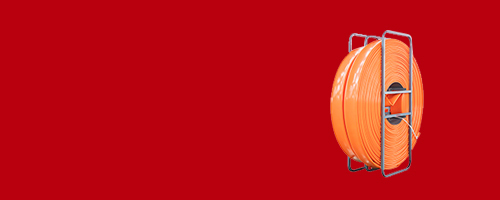
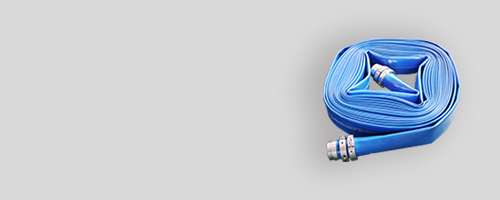
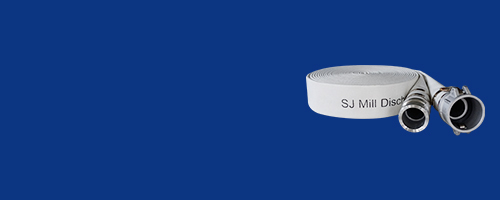
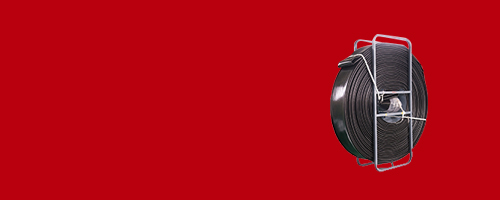
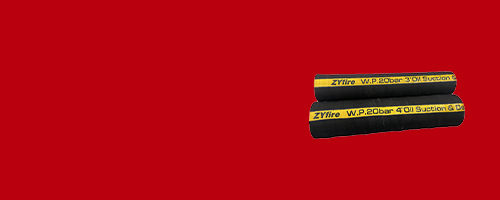
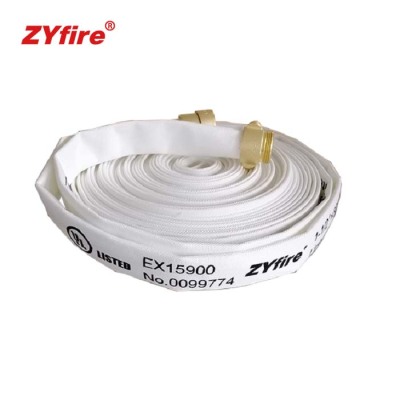
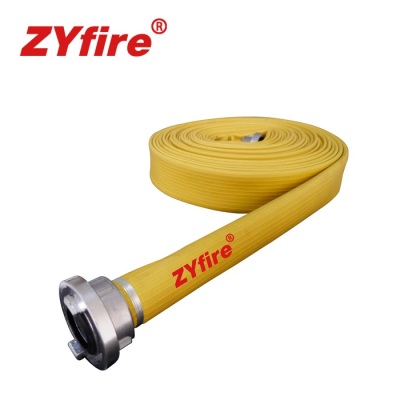
These are just a few examples of how ZYfire Hose Corporation's manure drag hoses are making a difference. Our hoses are engineered with high-tensile synthetic fibers and a polyurethane lining, providing excellent abrasion resistance and flexibility, even in cold weather. They are available in diameters from 3 to 6 inches, with working pressures up to 150 psi, and meet or exceed ISO 9001 standards. Our partnership with leading pump manufacturers ensures a seamless integration into your existing operation.
Where can you use a drag hose? The applications are diverse: from dairy and hog operations to poultry and beef feedlots, and even for municipal biosolids. Our hoses are used in conjunction with center pivots for irrigation, in no-till farming systems, and on slopes where tanker access is limited. We work with distributors and rental companies across North America, Europe, and Australia, ensuring that you can get the right hose for your specific needs.
Now, let's address some frequently asked questions from engineers and procurement managers:
Q1: What is the maximum length of a drag hose run? A: The maximum length depends on the pump capacity and hose diameter. For a 4-inch hose, you can typically run up to 1,500 feet from the pump. For longer distances, we recommend using a booster pump or a larger diameter hose to maintain flow rate.
Q2: How do I prevent hose kinking? A: Our hoses are manufactured with a high memory to resist kinking, but proper deployment is key. Use a hose reel or a custom lay-flat system, and ensure that the hose is laid in a straight line as much as possible. We provide guidelines for proper handling.
Q3: Can the hose withstand freezing temperatures? A: Yes, our hoses are designed to operate in temperatures down to -40°F. The polyurethane lining prevents cracking, and the outer cover is UV resistant. However, it's important to drain the hose completely after use to prevent ice damage.
Q4: What is the expected lifespan of a drag hose? A: With proper care and maintenance, our drag hoses can last 10-15 years. Regular inspection for wear and tear, and proper storage out of direct sunlight, will extend its life.
Q5: How does the cost compare to tanker application? A: While the initial investment is higher, the total cost of ownership is lower. You save on fuel, labor, and fertilizer, and you reduce compaction, which leads to higher yields. Most of our customers see a payback period of 2-3 years.
In summary, the benefits of upgrading to a manure drag hose for sale are clear: reduced compaction, lower odor, higher nutrient retention, and increased efficiency. ZYfire Hose Corporation is committed to providing you with the highest quality hoses and the expertise to support your operation. If you're ready to take the next step, we invite you to download our technical white paper, "Optimizing Manure Application with Drag Hose Systems," which includes detailed engineering data and case studies. Or, contact our sales engineers for a personalized consultation. Your soil—and your bottom line—will thank you.
Related News
More >-
![What Makes Forestry 1872 Hose Unmatched?]()
What Makes Forestry 1872 Hose Unmatched?
1. Introduction: The high-stakes world of forestry firefighting and the legacy of Forestry 1872 hose. 2. Pain Points: Abrasion, UV degradation, and coupling failures in rugged terrain. 3. Solutions: Advanced rubber compounds, through-the-weave construction, and precision couplings from ZYfire Hose Corporation. 4. Customer Success Stories: Real-world results from Oregon, British Columbia, Chile, and New Zealand. 5. Applications and Partnerships: Wildland firefighting, municipal forestry units, and OEM collaborations. 6. FAQ: Technical answers for engineers and procurement managers. 7. Conclusion & Call to Action: Download the white paper or contact a sales engineer.
-
![What Makes Industrial Hose Fail in High-Pressure Applications?]()
What Makes Industrial Hose Fail in High-Pressure Applications?
1. Introduction: The hidden cost of hose failure\n2. Pain Point 1: Abrasion and premature wear\n3. Pain Point 2: Chemical incompatibility and permeation\n4. Pain Point 3: Pressure spikes and coupling blowouts\n5. Solutions: Engineered hose construction\n6. Case studies: Real-world success\n7. Applications and partnerships\n8. FAQ\n9. Conclusion and call to action
-
![Why Is MED Approved Fire Hose Critical for Marine Safety?]()
Why Is MED Approved Fire Hose Critical for Marine Safety?
1. Introduction: The Alarm That Changed Everything 2. The Hidden Dangers: Three Pain Points in Marine Fire Safety 3. The MED Solution: Engineering Fire Hose Excellence 4. Real-World Success: Case Studies from the Front Lines 5. Applications and Partnerships: Where MED Hose Makes a Difference 6. FAQ: What Engineers and Procurement Managers Really Ask 7. Conclusion: Don't Wait for the Alarm
-
![Why Is Firequip Hose the Gold Standard in Firefighting?]()
Why Is Firequip Hose the Gold Standard in Firefighting?
1. Introduction: The critical role of firequip hose in emergency response. 2. Pain Points: Common failures in fire hose systems and their consequences. 3. Solutions: How ZYfire Hose Corporation addresses these challenges with advanced engineering. 4. Case Studies: Real-world success stories from diverse regions. 5. Applications and Partnerships: Key industries and collaborations. 6. FAQ: Technical insights for engineers and procurement managers. 7. Conclusion and Call to Action: Emphasizing value and next steps.
-
![Why Does Your NBR Hose Fail So Soon?]()
Why Does Your NBR Hose Fail So Soon?
1. Introduction: The hidden cost of premature hose failure 2. Pain Point 1: Abrasion and wear in high-friction environments 3. Pain Point 2: Chemical degradation from oils and solvents 4. Pain Point 3: Ozone and UV cracking in outdoor applications 5. Solutions: How NBR rubber covered hose addresses these challenges 6. Customer Success Stories: Real-world results from ZYfire Hose Corporation 7. Applications and Partnerships: Where NBR hose makes a difference 8. FAQ: Answers to common questions from engineers and procurement managers 9. Conclusion and Call to Action
-
![Why Blue Layflat Hose? The Ultimate Guide]()
Why Blue Layflat Hose? The Ultimate Guide
1. Introduction: The question and the answer 2. Pain Points in Industrial Hose Applications 3. The Blue Layflat Hose Solution 4. Customer Success Stories 5. Applications and Partnerships 6. FAQ for Engineers and Procurement Managers 7. Conclusion and Call to Action
-
![Why Sexless Hose Couplings Are Revolutionizing High-Pressure Industrial Systems]()
Why Sexless Hose Couplings Are Revolutionizing High-Pressure Industrial Systems
1. Introduction: The Hidden Cost of Coupling Failures 2. Pain Points: Leakage, Maintenance Downtime, and Safety Hazards 3. Solution: How Sexless Hose Couplings Eliminate These Issues 4. Customer Success Stories 5. Applications and Partnerships 6. FAQ for Engineers and Procurement Managers 7. Conclusion and Call to Action
-
![Is 50 ft the Optimal Length for Fire Hose?]()
Is 50 ft the Optimal Length for Fire Hose?
1. Introduction: The 50 ft Fire Hose Question 2. Industry Pain Points: When 50 ft Falls Short 3. The Engineering Answer: Why 50 ft Works 4. Real-World Success: Case Studies 5. Applications and Partnerships 6. FAQ for Engineers and Procurement 7. Conclusion and Call to Action
Get the latest price? We'll respond as soon as possible(within 12 hours)